Norway
 Sweden
 Finland
 United Kingdom
 Denmark
 United States
Entity growth is important for energy companies as it reduces cashflow risks by spreading revenue across multiple special purpose vehicles (SPVs). But how does technology come into it? And how does energy accounting software support efficient, structured company growth?

With 80% of surveyed energy chief financial officers (CFOs) stating that cash management and forecasting were among their top three treasury challenges, it’s clear that the industry requires real-time financial visibility to mitigate cash flow risks. [1]
We explore why entity growth is crucial to an energy company’s success and how energy finance software can support this. If you’re looking to overhaul your finance technology, contact us today, or visit our market page to learn how Xledger supports energy groups like yours.
Why is entity growth so important to energy companies?
Launching new entities is one of the most effective ways for energy companies to manage risk — both operational, financial, and regulatory. This is because it prevents a single underperforming project from disrupting the group’s balance sheet.
In the UK and EU markets, growth is evident. In 2023, renewable energy accounted for 24.5% [2] of all energy usage, an 8.5% [3] increase from 2017. There’s no doubt that growth and innovation go hand-in-hand, another reason why new entity setup is crucial to the longevity of an energy company.
Why is setting up a new energy entity so difficult?
There are several recurring headaches when creating new SPVs or subsidiaries, and most are caused by disconnected business systems. With each new entity, finance is hit with a wave of duplicated tasks that involve building structures already existent in the group’s accounting system.
The key features of these builds include:
- Chart of accounts
- Reporting frameworks
- Approval workflows
- Segregation of duties
Not only do these builds require meticulous setup to avoid later issues, but they also take excessive time, resources, and knowledge. The challenges become greater when entities are subject to different regulations and taxes, leaving finance to deal with disconnected business platforms, lengthy compliance procedures, and an over-reliance on manual processes.
So, how can energy companies ensure their new entities are swiftly and accurately created?
Multi-entity technology promotes seamless growth
Energy finance teams are often pressured to set up and maintain new projects, entities, and SPVs quickly, while maintaining tight controls to ensure complete regulatory compliance. By implementing energy accounting software, CFOs can leverage consolidated, multi-farm data management to drive decision-making.
According to a report by NatWest and Boston Consulting Group, energy companies must place better technological infrastructure at the forefront of their business objectives. Andy Gray, Managing Director of Commercial Mid-Market at NatWest Group, states:
The [Energy] industry needs to scale its infrastructure and technology, all of which will require finance. It’s clear that there needs to be greater collaboration between policy, regulation, and finance to enable this to happen. […] It’s vital the entire value chain works together to make this happen. [4]
The technology that Gray alludes to is energy accounting software. His vision of aligning finances and regulations also supports the creation of new SPVs, mitigates risk, and enhances controls for energy finance teams.
Energy CFOs who invest in modern energy management software deliver faster SPV setup. By leveraging a multi-entity software solution with a hierarchical structure, a group energy company ensures that all other entities follow approved controls for seamless group consolidation.
Structured multi-company workflow is more important than ever with the introduction of stringent carbon reporting and Environmental, Social and Governance (ESG) standards.
Future-proofed technology for scaling companies
The energy industry is growing at a rapid pace, with no signs of slowing. In a commercially-minded sector where timing is key to survival, the right accounting platform can make or break an energy company’s success.
CFOs who invest in Xledger’s energy accounting software support entity growth, group financial insight, and regulatory compliance. Get in touch with our dedicated team to learn how Xledger can streamline your business’s cross-border and cross-currency growth.
FAQs
Energy companies can use new entities or SPVs to reduce risk, manage new projects, attract new investment, or separate assets for better financial management.
Energy accounting software helps multi-entity energy companies to centralise their financial data. The software automates intercompany processes and enables live consolidation across group structures.
By using disconnected systems, energy companies lack visibility across new entities and are forced to perform manual reconciliation to manage reporting delays and increased financial risk.
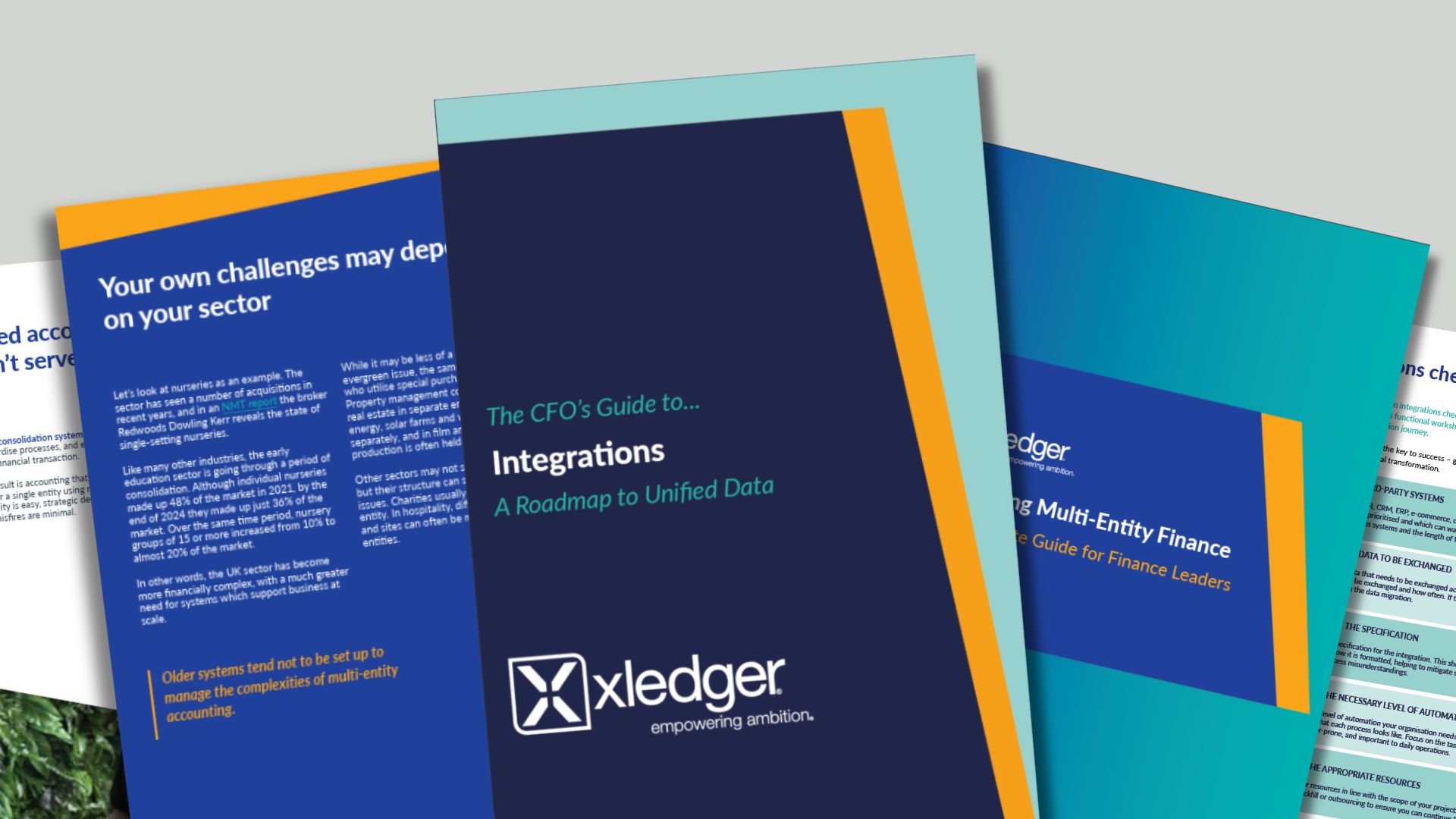
Guide
Series: The CFO’s Guide to…
On average businesses stay with the same finance software for 5-7 years, so the pressure is on to get it right when looking to change or invest in new finance software. In this series of guides, we dive into 5 key areas CFOs and finance teams should be clued up on when looking to change accounting systems. We hope you enjoy.

Customer story
Cornish Lithium
Founded in 2016, Cornish Lithium is an innovative mineral explorations and development company committed to securing a sustainable, ethical and environmentally responsible lithium supply for the UK.

Article
5 Reasons to Migrate From a Legacy System
When faced with the market demand of migrating from a legacy system, many businesses are deterred by the unfamiliarity of a true cloud-based system. At Xledger, we understand that the unknown is intimidating, but the journey of implementation and the benefits it creates are always worth the leap.
Get in touch
Speak to one of our dedicated team members for more information on how Xledger can support your business.
Contact person