 United States
 Norge
Norge Sverige
 Suomi
Suomi UK
UK Danmark
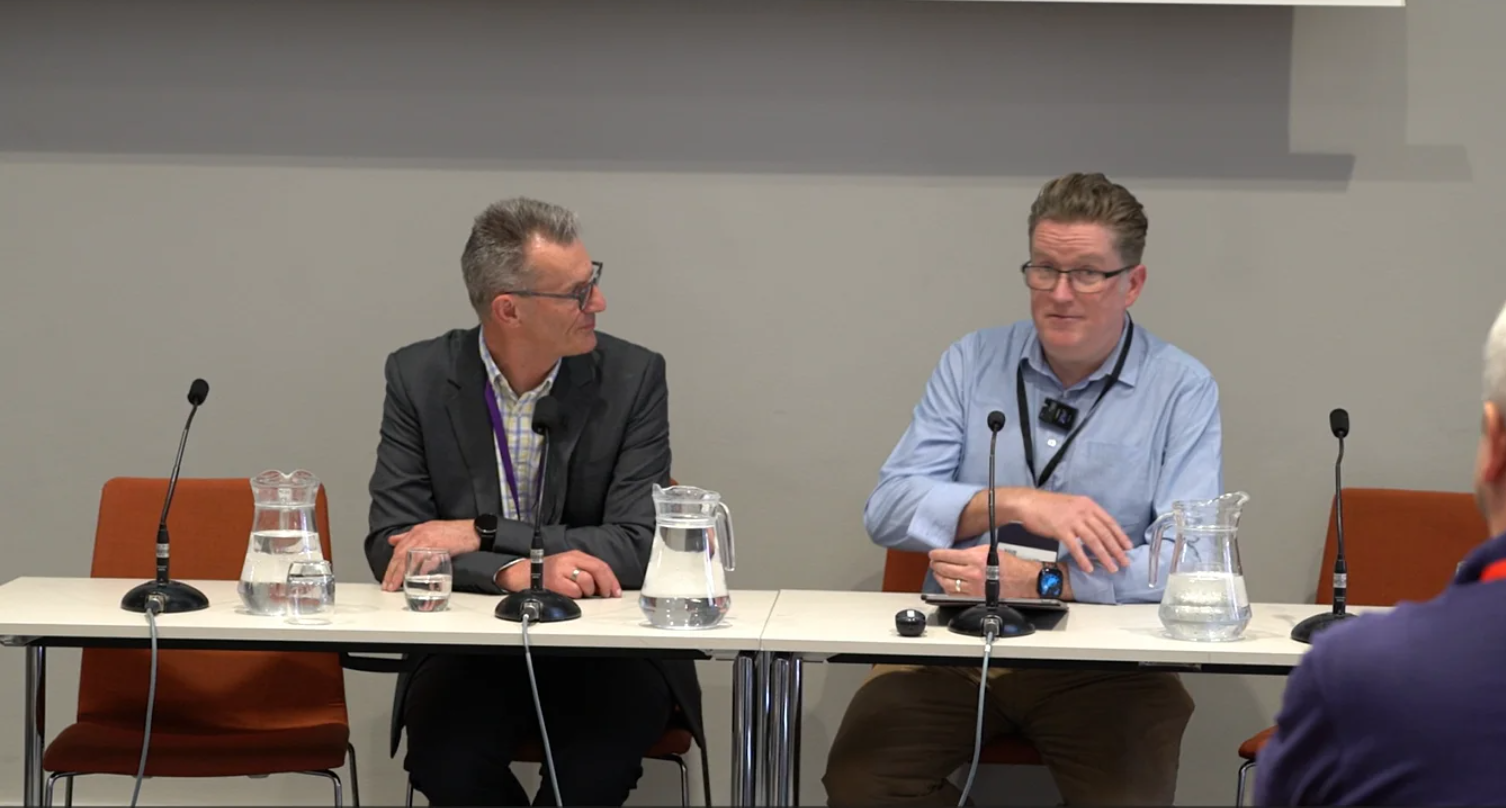
Xledger’s Russ Emmerson and Trussell’s David Conroy took to the stage at the Third Sector Conference to discuss the ebbs and flows of digital transformation within the sector.

Trussell is an anti-poverty charity and community of food banks that focuses on ending hunger and poverty in the UK. In 2000, the charity’s founders, Carol and Paddy Henderson, set up the first Trussell food bank. Today, the charity’s community of food banks has grown to 1,400 due to a vast increase in people being unable to afford the essentials we all need to get by. With so many people facing hunger across the UK, Trussell needed a new system to help with the scale of its mission – which is to end the need for food banks for good.
A brief overview
Trussell first approached Xledger early in 2020 when they were looking to move from their on-premise system, Exchequer, to a cloud-based product. They needed a modern solution that overhauled their digital infrastructure, and purchase order capabilities were non-negotiable.
After exploring various market options, Trussell chose Xledger as their mid-market finance solution, with their implementation project running from November 2020 to May 2021. The main lesson from Trussell’s journey? Implementing new software is a company-wide project, not simply limited to IT or finance.
According to David Conroy, Head of Finance and Procurement at Trussell, the key questions to ask about system implementation, irrespective of what project it is, are:
- Is senior leadership on board?
- Does the whole organisation know what is happening?
- Are different parts of the organisation actively involved in the change?
David stressed the word actively, noting that buy-in will be better if people are active in the change — a large support network is far more effective than a small one that has the potential to become blinkered.
Russ Emmerson, Customer Success Manager at Xledger UK, led the discussion with David and delved into questions focused on priorities, success measures, post go-live perspective, and the various lessons learned.
How did Trussell prioritise objectives and drive the project forward?
It’s easy for finance software implementation to be misconstrued as simply the affairs of a finance function. However, this is incorrect. System implementations affect the whole company and, therefore, should be considered by every department. For Trussell, David said, this was exactly the case.
Initially, Trussell approached the project as a finance system implementation, so stakeholder discussion inevitably circled back to the question, “What does finance need?”
To counter this, the business re-evaluated the post Go-Live objectives during implementation to ensure the project was beneficial to all the business, not just the finance department. In hindsight, David adds, this position should have been occupied from the outset.
Companies undergoing a digital transformation should ask how each department can benefit from the change. Only then can overall operations transform. The appropriate question to start with is: “What does the business need?”
Did Trussell face challenging conversations around measures of success?
The Trussell team understood that focusing on what the project should achieve was more important than completing all objectives at once. In doing so, the team could unanimously agree on success measures, milestones, and long-term goals.
“You can always do it shorter, and you can always do it cheaper, but you’re not going to be able to deliver on the things that really matter. And it’s the things that really matter that you should focus on when delivering a system project.”
David Conroy, Head of Finance and Procurement
Trussell
Think of an implementation as a change project. The whole process changes the way you interact with:
- Pieces of information
- Data systems
- Employees
- Stakeholders
- External audiences
Keeping this at the forefront of discussions ensures you understand why the project is necessary. Knowing why your organisation needs change makes it easier to measure the success of said change.
Has Trussell’s transformation been successful?
Russ acknowledged this was a leading question, but the answer still stands: Trussell’s digital transformation has been successful. This is not only a testament to the Xledger team, but also to the Trussell team, who understood the realities of modern accounting; technology evolves, so must charities.
David noted that companies need to find a tool that they can be sure will grow with their demands, where the provider actively develops new functionality to serve its customers.
“There’s no question that what we can do with financial information now is far more than what we could’ve done five years ago. That’s the reality of having a tool that is in the cloud and constantly being developed.”
David Conroy, Head of Finance and Procurement
Trussell
David’s top tip for companies choosing a new finance system provider is to demand the future from them. He and Russ indicated that their partnership relies on transparent communication, particularly surrounding what the system can currently do to support Trussell, and what it needs to do in the future.
For charities beginning their vendor selection process, choose a provider that communicates the types of developments on their horizon. A provider that encourages you, as a customer, to feed back on what you want to see is even better.

How to Engage Everyone on Financial Tech Transformation with Trussell
Watch the full recording to learn how Trussell created positive staff buy-in during its digital transformation project.

What advice would you give to charities that are considering a digital transformation?
David stressed that companies that view digital transformation as a business-wide project, rather than a finance or IT-specific project, are better positioned to succeed. Essentially, everyone must enact change.
He broke the essential pieces of advice into four sections: learning, pressures, long-term objectives, and communities of practice.
1. Embrace learning and change
Investing in a cloud-based finance software means you have to be prepared for ongoing change management, and understanding that learning never stops is the ideal mindset to have.
For instance, the developing features are exciting, and updates are beneficial. However, the product is cloud-based and will change, so charities must be prepared for that. Likewise, not all the same people will be with the company when the project begins and when the project closes. Be prepared to train new faces and assign new super-users. That’s just business.
Russ likened the process to passing one’s driving test. The completion of the project is similar to a driver’s license, but when you get your license and are roaming free, it’s when you truly start to learn the lay of the land.
“It’s not a bad thing that once the software is used in real life, things need to change, and you should reflect on its efficacy. Adjust accordingly, give your provider feedback, and make sure they let you know where they’re headed.”
Russ Emmerson, Customer Success Manager
Xledger UK
Customers and providers should take the reins together and use the software in BAU. Charities beginning their journey will benefit from knowing that transformation isn’t solely about completing implementation. There’s no arguing that it’s an important marker of success, but looking beyond the project into post Go-Live territory will help to keep the momentum flowing.
2. Combat pressure within a team
The discussion touched upon the benefits of employing external help to deliver the implementation, with David noting that only a few finance leaders are experienced project managers. There will always be hard but necessary decisions to make, and this can create company-wide pressure.
“You need a neutral project manager or sponsor, one from outside of the finance department, to make the hard decisions about what needs to be discarded because that’s the hardest part: deciding what you’re going to leave behind.”
David Conroy, Head of Finance and Procurement
Trussell
As with all projects, it’s best to have the whole organisation aligned with the change, especially key stakeholders. This is where having an unbiased project sponsor becomes invaluable. A project sponsor who doesn’t work in the finance department can offer neutral feedback and make sure discussions and objectives stay on track.
Here are a few ways to relieve pressure and mitigate biased decision-making:
- Only use a few finance team members to test core programs. This helps reduce finance-focused opinions from overwhelming the testing process.
- Use non-finance end-users to test other processes and ensure they have the correct information to refer back to each quarter.
- Maintaining post-implementation learning is the most significant factor in momentum.
3. Focus on post go-live
Long-term horizons are essential to digital transformation as they acknowledge that change happens over extended periods, not simply overnight. Thinking in three to five-year windows and reviewing systems during each window will ensure you make the most of your software investments.
Both David and Russ illustrated that pushing a button and changing a system doesn’t mean that the transformation process stops. In other words, be sure to conduct mini reviews and implementations to ensure your system usage is optimised. A supportive provider can help you with these elements of transformation, suggesting the features that can work for you and what may need to change.
“Automation is where we’ll save a bucket load of time, where we can make people’s jobs, particularly in finance, a bit more rewarding than simply pushing widgets around on a spreadsheet.”
David Conroy, Head of Finance and Procurement
Trussell
Your business may face different hurdles during digital transformation — timeline, resource, budget, and staff buy-in. But it can overcome these obstacles if backed by the right provider. These are the pillars of success, Russ states, with preparation and market research also playing a significant role in success.
4. Cultivate communities of practice within your sector
Lastly, David noted that Trussell pushed Xledger to create an open dialogue between customers. Sector-wide communication encourages change and growth because companies can discuss experiences, setbacks, and resilience.
He noted that it’s important to regularly meet with market peers at events and conferences to reflect on the sector’s development. That way, companies can learn from one another, share ideas, and push the sector forward in the long term.
A final note
With the correct mindset, digital transformation is successful. With the correct provider, implementation is seamless. And, with a robust and transparent partnership such as that built between Trussell and Xledger, charities can ensure they keep up with sector demands while expanding their reach and helping those in need.
Are you a charity or not-for-profit looking for advice around automation, finance software, and digital transformation? Get in touch with our team to book your free demo today.

Customer story
Trussell
We met with the Finance Operations Manager in the spring of 2022 to understand what they thought of their experience with Xledger and the value it has added to their organisation. Trussell is a national charity that exists so we can all be free of hunger.

Whitepaper
Charity Digital Finance Report
Key points:
- What is preventing charities from unlocking their needs for better financial reporting?
- What benefits do charities who have digitally transformed see?
- What support do finance teams need in their journey?

Webinar
How to Successfully Deliver Digital Finance Transformation for Your Charity with Comic Relief
This webinar covers:
- The critical issues Comic Relief aimed to address and rectify when scoping and implementing a new finance system
- The benefits of a financial digital transformation for the organisation
- An exclusive look into Xledger’s finance software and how it works for the not-for-profit sector
Get in touch
Speak to one of our dedicated team members for more information on how Xledger can support your business.
Contact person